
Blindness as Vision
The Man Who LaughsDea’s blindness challenges the authority of appearances by allowing her to recognize the goodness others overlook.
increasing Bearing strength in each event
 decreasing
Bearing strength in each eventdecreasingSight Lost
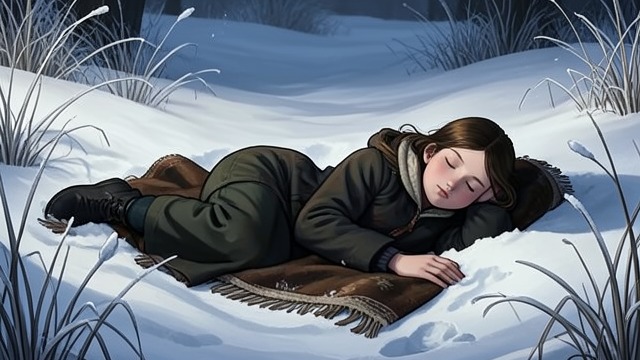
Sight Lost
Survival with a lasting cost
The infant Dea survives the freezing night but loses her sight.
The storm leaves a permanent physical deprivation.
Her life begins with dependence on the care of others.
A different knowledge
The novel does not make blindness merely an absence.
Dea’s world develops through touch, sound, and trust.
Her later insight will challenge the seeing crowd.
A Face Seen by the Heart
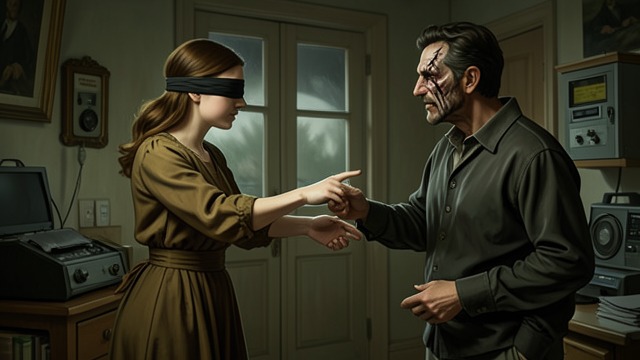
A Face Seen by the Heart
Inner character recognized
Dea understands Gwynplaine through his voice and acts of care.
She calls him beautiful despite his disfigured face.
Her judgement rejects the crowd’s dependence on appearance.
The misjudged become a pair
Gwynplaine guides Dea physically; she recognizes his moral self.
Each answers the other’s vulnerability with trust.
Their bond makes blindness a source of intimacy as well as limitation.
The Crowd and Dea
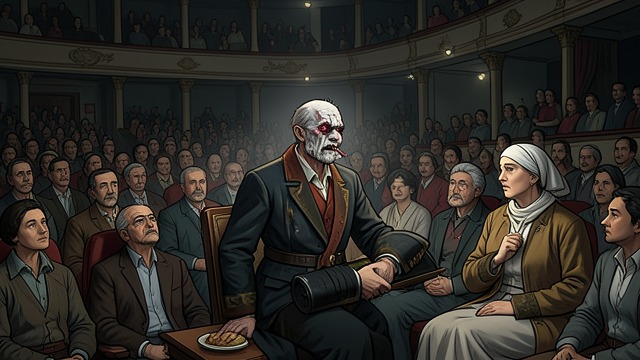
The Crowd and Dea
Different readings of one scene
The audience laughs at Gwynplaine’s face during the performance.
Dea hears his voice and feels the man she loves.
The same spectacle produces ridicule for one and devotion for another.
Sight is not understanding
The seeing spectators misunderstand the relationship they witness.
Dea recognizes the love and goodness that their eyes miss.
The scene questions whether visual certainty reveals truth.
Absence Felt as Darkness
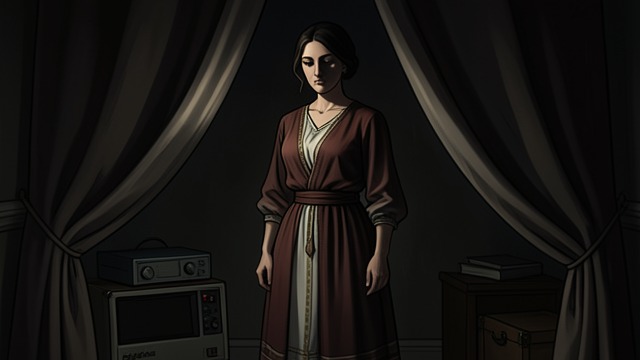
Absence Felt as Darkness
A new kind of blindness
Dea senses Gwynplaine’s absence despite attempts to conceal it.
She describes the separation as a darkness she has never known.
Emotional knowledge reaches her before factual explanation.
Care cannot replace presence
Ursus imitates Gwynplaine, but Dea recognizes the deception.
Her inward perception surpasses the ventriloquist’s skill.
The scene makes love a form of knowledge no performance can counterfeit.
The Last Light
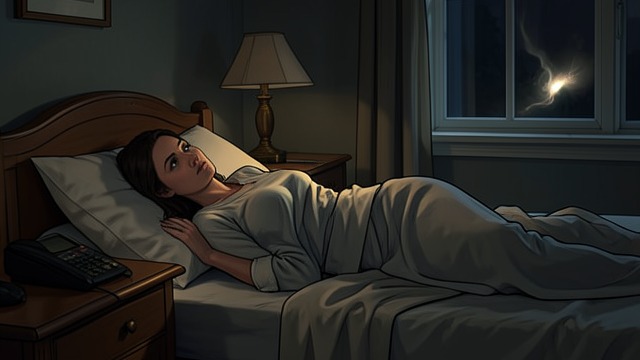
The Last Light
A final perception
Dea cries that she sees light just before she dies.
The words provide a brief, mysterious completion to her life in darkness.
The moment does not undo her physical suffering.
Vision beyond the body
Her final sight is framed as spiritual rather than practical knowledge.
Gwynplaine loses the person who had always seen his inner self.
The ending gives illumination and loss the same instant.
During the Portland snowstorm in 1690
During Dea and Gwynplaine’s early life together
During performances of Chaos Vanquished
After Gwynplaine disappears from the Green Box
At Dea’s death aboard the Vograat
